
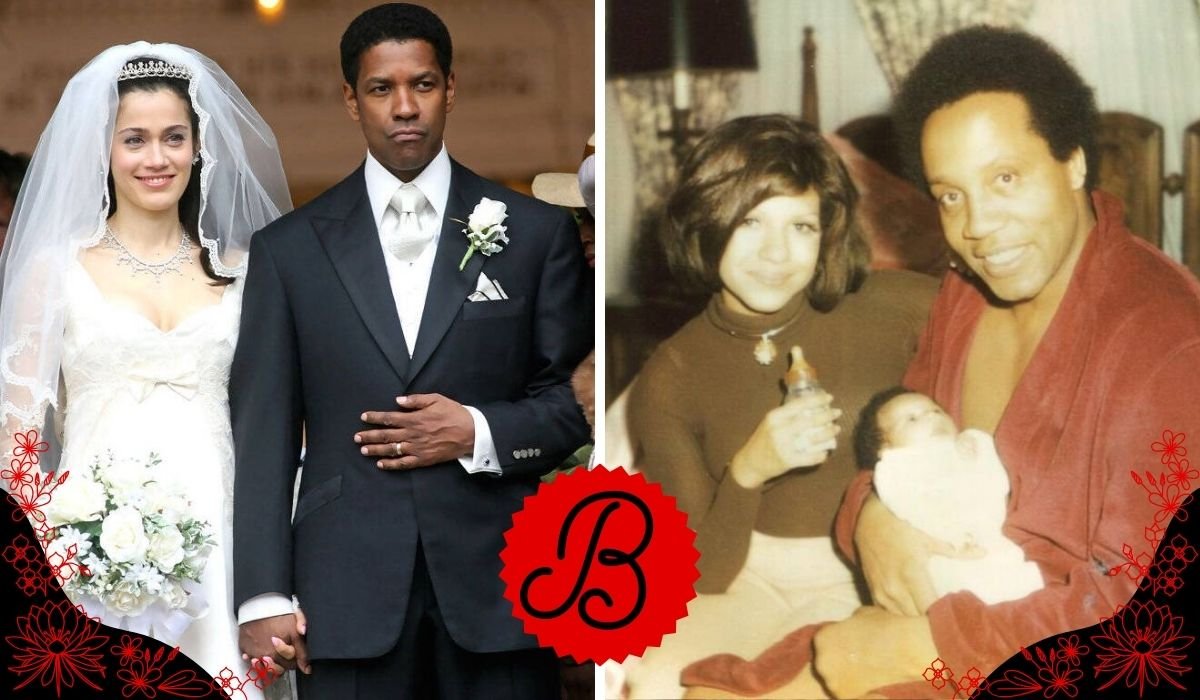
Introduction: Unveiling Julianna Farrait
Julianna Farrait was more than just the wife of Harlem drug kingpin Frank Lucas—she was a figure of intrigue, courage, and complexity. Born in Puerto Rico around 1941, Julianna lived a life that few could have imagined: from her humble beginnings as a local beauty queen to standing beside one of the most notorious heroin dealers in American history. While Frank Lucas’s exploits were well-documented in books and films like American Gangster, Julianna largely remained in the shadows. Yet, her life was just as compelling, filled with love, loyalty, danger, and occasional missteps that drew law enforcement attention. This article explores the full story of Julianna Farrait, painting a portrait of the woman behind the kingpin.
Quick Bio Information
Name: Julianna Farrait
Birth Year: 1941
Birthplace: Puerto Rico
Nationality: Puerto Rican
Early Life: Modest upbringing, homecoming queen
Spouse: Frank Lucas
Marriage Year: 1967
Children: Francine Lucas (born 1985)
Occupation: Partner to Harlem drug kingpin
Known For: Wife and partner of Frank Lucas
Role In Empire: Active participant, style consultant, loyal partner
Famous Nickname: “Black Bonnie” (to Frank’s Clyde)
Notable Incident: Chinchilla coat at Ali-Frazier fight, 1971
Legal Trouble: 1975 six-month prison sentence
Later Arrest: 2010 cocaine distribution, five-year sentence
Film Portrayal: Inspiration for character in American Gangster (2007)
Death: Reported before 2019 (exact date unclear)
Personality Traits: Loyal, courageous, private, strategic
Legacy: Influential yet largely shadowed figure in Harlem crime history
Early Life In Puerto Rico
Julianna Farrait was born in Puerto Rico in the early 1940s and spent her early years in a relatively quiet and unassuming environment. She emerged as a local beauty figure, earning the title of homecoming queen during her youth. Unlike the glamorous Hollywood depictions, Julianna had a simple upbringing and modest tastes. Her beauty and charisma were noticeable, but she led an ordinary life until fate intervened. The contrast between her early simplicity and the extravagance she would later experience is remarkable, highlighting how dramatically her world would change after meeting Frank Lucas.
The Fateful Meeting With Frank Lucas
Julianna’s life took a dramatic turn when she met Frank Lucas on a flight from Puerto Rico to New York. Frank, who was just beginning his rise in the Harlem drug trade, was instantly captivated. In his autobiography, he described her as “cute” and constantly smiling, a presence he could not ignore. Their conversation sparked a mutual attraction that quickly blossomed into love. By 1967, Julianna and Frank were married, uniting two very different worlds: her simple Puerto Rican background and his emerging status as a powerful figure in Harlem’s drug scene.
Marriage And Family Life
Julianna and Frank’s marriage was a union of passion and ambition. She was drawn to Frank’s confidence and self-assured personality, qualities she admired deeply. Despite the differences in their upbringings, their bond grew strong over the years. The couple welcomed their daughter Francine in 1985, adding another layer of responsibility to Julianna’s life. Though she embraced the lavish lifestyle that came with Frank’s success, Julianna remained grounded in many ways, balancing her role as a mother with her involvement in Frank’s operations.
The Rise Of Frank Lucas’s Empire
Frank Lucas became infamous for his innovative heroin trafficking operation, importing “Blue Magic” heroin directly from Southeast Asia into Harlem. His empire grew rapidly, and with it came immense wealth. Julianna’s life transformed almost overnight. From modest beginnings, she found herself surrounded by luxury cars, expensive jewelry, and a lifestyle of conspicuous wealth. Her understanding of fashion and appearances became an important part of projecting the couple’s power and influence. She learned to navigate the complex social dynamics of Harlem’s elite while supporting Frank’s ambitions.
Julianna Farrait’s Role In The Empire
Julianna was not just a passive observer in Frank’s world—she was an active partner. She helped maintain his public image, often choosing clothing and accessories that reflected their status. Her eye for style was strategic, helping to reinforce Frank’s image as a dominant figure in Harlem. She also participated in some operational aspects, demonstrating her courage and loyalty. Julianna became a crucial part of the couple’s brand, earning her reputation as the “Black Bonnie” to Frank’s Clyde, a term they themselves used to describe their partnership.
The Chinchilla Coat Incident And Police Attention
One of the most famous stories about Julianna’s influence involves a luxurious chinchilla coat she bought for Frank. In 1971, she purchased a $125,000 chinchilla coat and a $40,000 matching hat for Frank to wear at the Muhammad Ali vs. Joe Frazier fight. While meant to display status and loyalty, the extravagant ensemble caught the attention of law enforcement officers in the audience. Although the coat did not directly lead to Frank’s downfall, it intensified scrutiny and helped put him firmly on the radar of the NYPD and DEA. This incident reflects Julianna’s role in shaping public perception while highlighting how conspicuous wealth can attract unintended consequences.
Arrests, Prison, And Witness Protection
By 1975, the law had caught up with the Lucases. A combined NYPD and DEA raid on their Teaneck, New Jersey home marked a turning point in their lives. Julianna panicked, throwing suitcases containing $584,000 out the window in an attempt to save the money. Frank was sentenced to seventy years in prison, while Julianna received a six-month sentence. During this time, she entered witness protection with their daughter Francine and one of Frank’s other children. After Frank’s early release in 1982, Julianna remained involved in some operations, including a risky trip to Las Vegas for what appeared to be a mother-daughter trip but was actually part of a drug deal. This period highlighted both her bravery and her willingness to take risks alongside her husband.
Hollywood Attention: American Gangster
The story of Frank and Julianna Lucas captured Hollywood’s imagination, culminating in the release of American Gangster in 2007. Despite the public spotlight, Julianna remained private, often avoiding events and interviews. She described herself as shy and prone to panic attacks, underscoring her desire to remain out of the public eye. The film introduced millions to her story, though it took creative liberties with her life and background. Her loyalty and partnership with Frank were central themes, earning them the nickname “Black Bonnie and Clyde” among fans and journalists alike.
Later Life And Final Years
Julianna’s life continued to be complex and challenging after the height of Frank’s criminal career. In 2010, she was arrested in Puerto Rico for attempting to sell cocaine to an informant. Two years later, she was sentenced to five years in federal prison, pleading for leniency to care for her aging husband. Frank Lucas passed away in 2019 at the age of 88. Reports suggest that Julianna predeceased him, though exact details of her death remain unclear. Throughout her later years, she remained a figure defined by loyalty, resilience, and her quiet but significant influence on one of America’s most infamous criminal figures.
Legacy Of Julianna Farrait
Julianna Farrait’s life stands as a testament to the complicated realities behind crime, love, and loyalty. She was more than the wife of a drug kingpin; she was an active participant in a world of wealth, danger, and high stakes. Her story illustrates the blurred lines between devotion and risk, showcasing the human dimensions of those involved in organized crime. Even as Hollywood dramatized their lives, Julianna’s reality was far more nuanced, offering lessons about ambition, courage, and the price of loyalty.
Conclusion: Remembering Julianna Farrait
Julianna Farrait’s story is one of contrasts: from Puerto Rican beauty queen to partner of a Harlem drug kingpin, from quiet life to public intrigue, and from devotion to risk. She lived through wealth, danger, and legal battles while maintaining her loyalty to Frank Lucas. Although she preferred privacy, her life offers a rare glimpse into the personal side of organized crime and the complex relationships that shaped it. Julianna Farrait was more than a companion to a criminal figure—she was a formidable presence in her own right, a woman whose story deserves recognition and understanding.
FAQs About Julianna Farrait
Who Was Julianna Farrait?
Julianna Farrait was a Puerto Rican beauty and the wife of Harlem drug kingpin Frank Lucas. She played a significant role in his operations while maintaining a strong sense of loyalty and discretion throughout her life.
What Was Julianna Farrait Known For?
She was known for her partnership with Frank Lucas, her stylish influence on his public image, and her nickname as the “Black Bonnie” to his Clyde. Her involvement in major incidents, such as the 1971 chinchilla coat, brought her attention.
Did Julianna Farrait Have Children?
Yes, she and Frank Lucas had a daughter named Francine, born in 1985. She also helped care for Frank’s other children during periods of incarceration and witness protection.
Was Julianna Farrait Portrayed In A Movie?
Yes, her life inspired the depiction of Frank Lucas’s wife in the 2007 film American Gangster. While the movie took creative liberties, it highlighted her role as a supportive and loyal partner.
What Legal Troubles Did Julianna Farrait Face?
Julianna was sentenced to six months in prison in 1975 after a raid on their home and later to five years in 2012 for attempting to distribute cocaine in Puerto Rico.
When Did Julianna Farrait Die?
Reports suggest she passed away before Frank Lucas, who died in 2019. Exact details of her death remain unclear, adding to the mystery surrounding her life.
What Is Julianna Farrait’s Legacy?
Her legacy is that of a loyal, courageous, and strategic partner to one of Harlem’s most notorious figures. She remains a compelling, though largely private, figure in American crime history.
Please People Read Also: Peta Gibb Today: Inside The Quiet Life Of Andy Gibb’s Only Daughter